
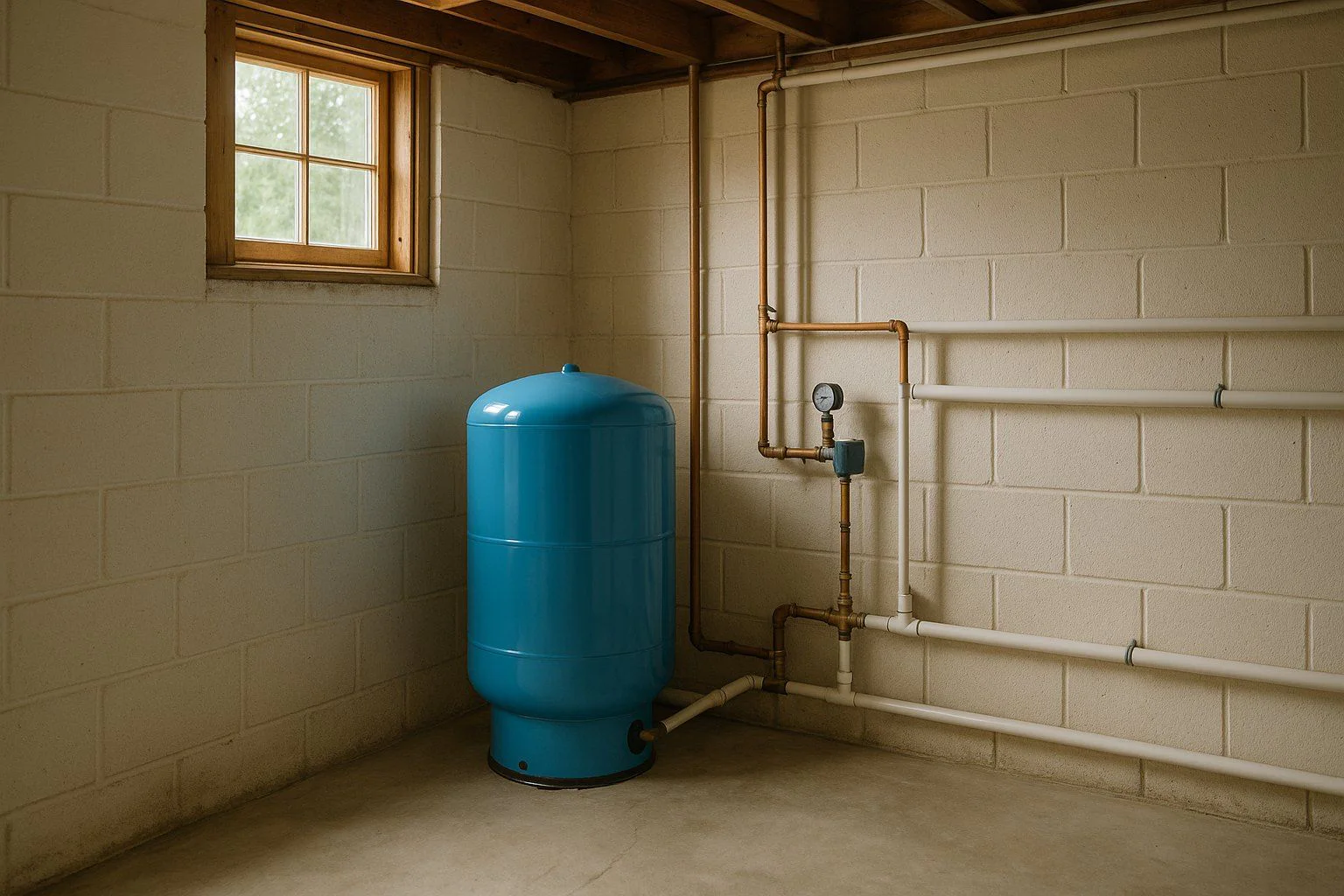
Submersible vs. Jet Well Pumps: Which Is Right for Your Property?
Submersible or jet pump? How each well pump works, which suits a deep drilled well or a shallow one, and how to choose the right pump for your Virginia property.

Submersible or jet pump? How each well pump works, which suits a deep drilled well or a shallow one, and how to choose the right pump for your Virginia property.

Protect your well before the first freeze: a plain checklist for the wellhead, pump house, pressure tank and exposed lines in Augusta and Culpeper counties.

Buying a Virginia home on well water? A standard home inspection does not cover the well. Here is what to test, what to ask for, and how to use what you find.
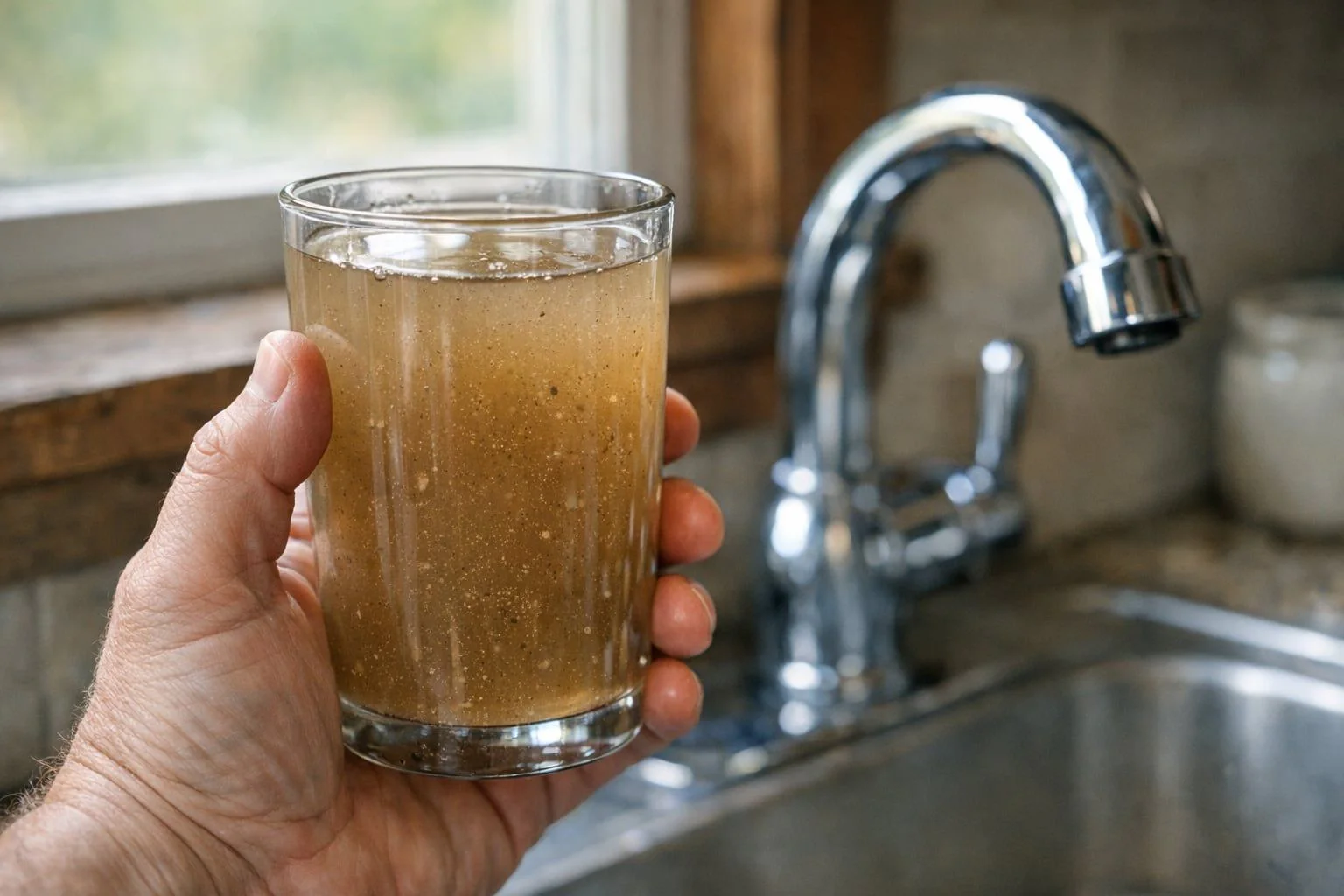
Muddy well water usually means a failed casing, not a dead well. Learn what a well liner does, which problems it fixes, and when drilling is the honest answer.

Well drilling is priced by the foot, and depth is decided by geology. What you are paying for, what drives the number, and how to compare two well quotes properly.

Repair, liner or new well? They solve three different problems. How to tell a supply problem from a structural one, and what an honest well diagnosis looks like.
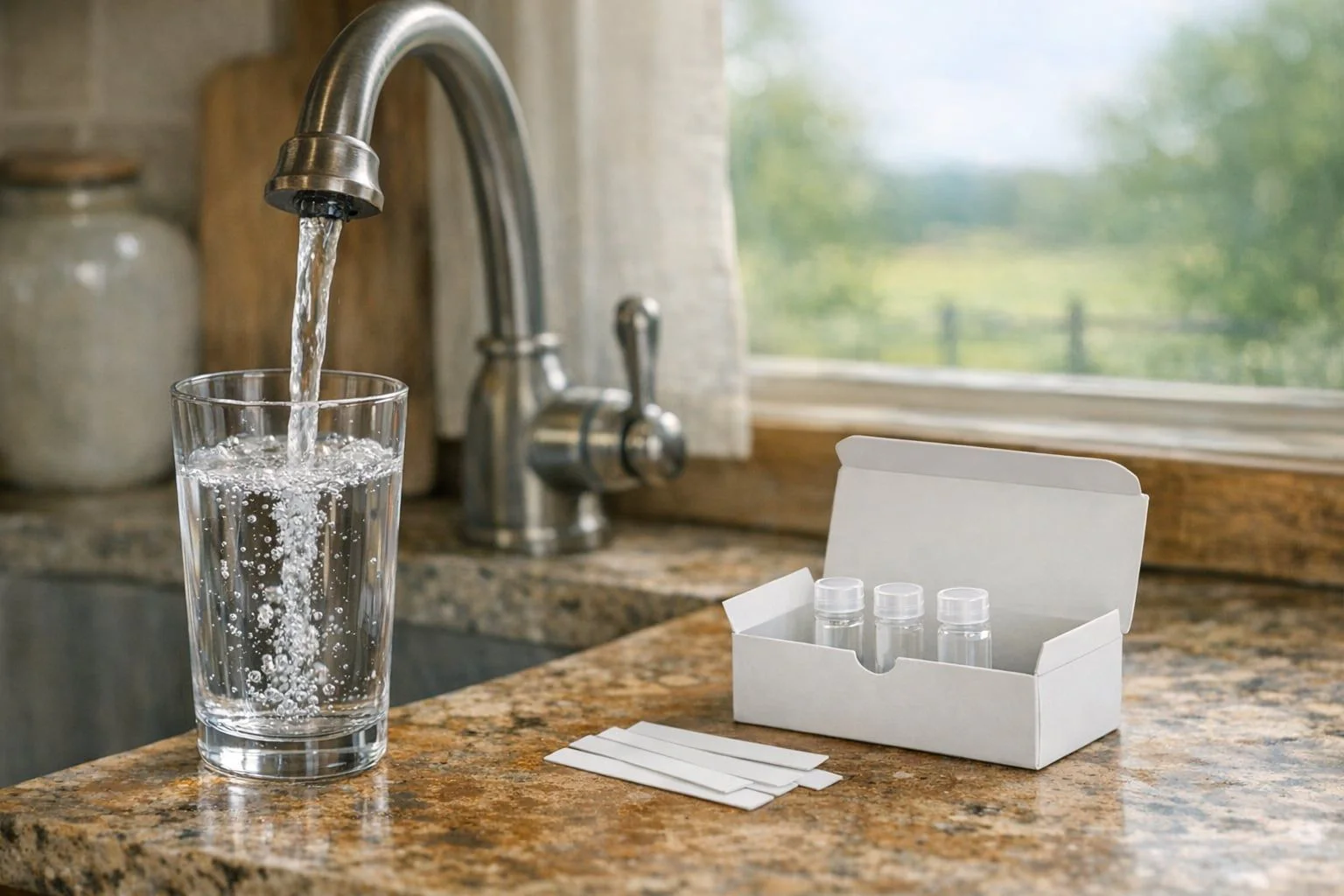
Private wells in Virginia are not tested by anyone but you. Learn what to test for, how often, what the results mean, and when a problem points to the well itself.
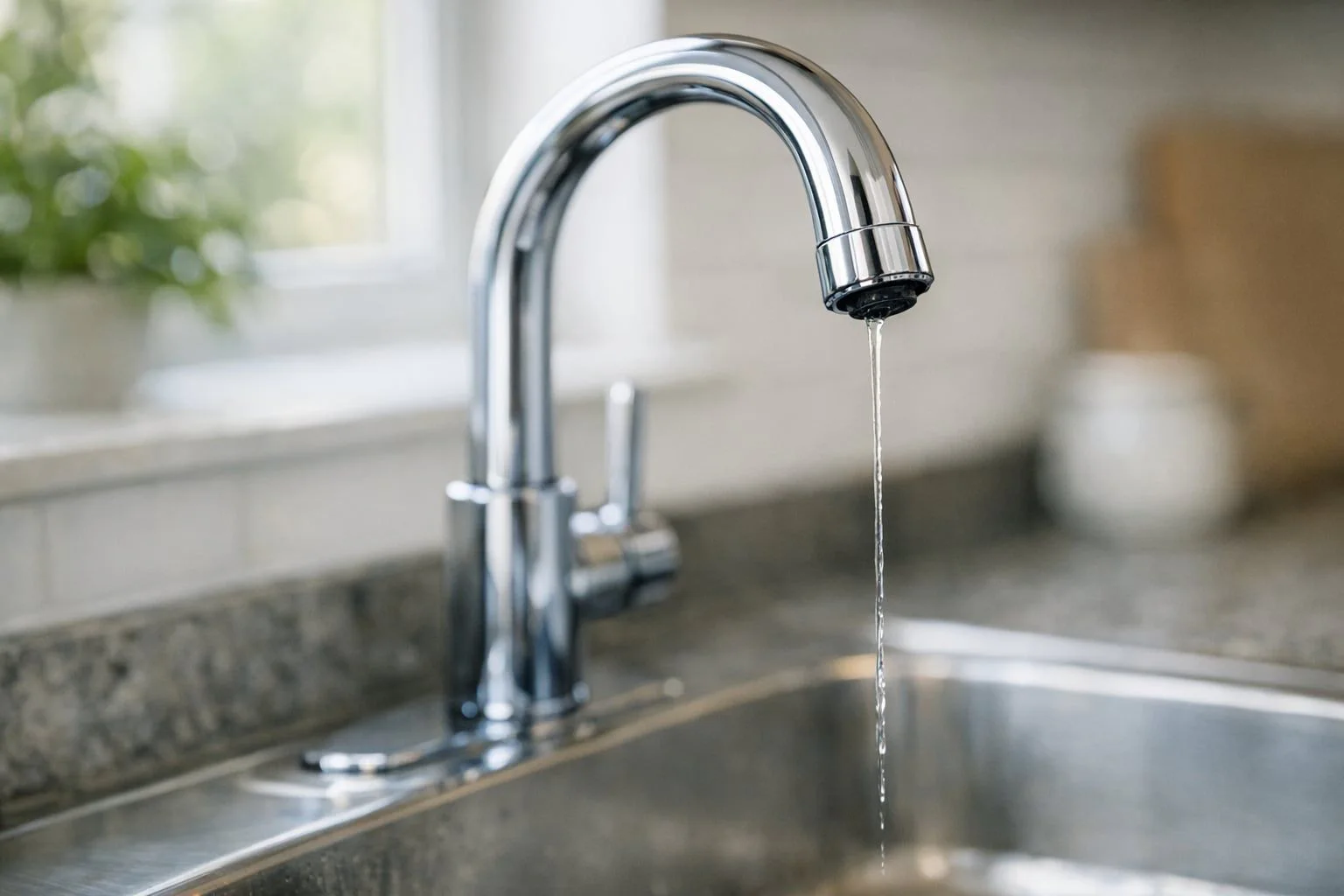
Low water pressure on a private well has a handful of common causes. Learn how to tell a pressure tank problem from a pump, a clog, or a leak, and what to do next.
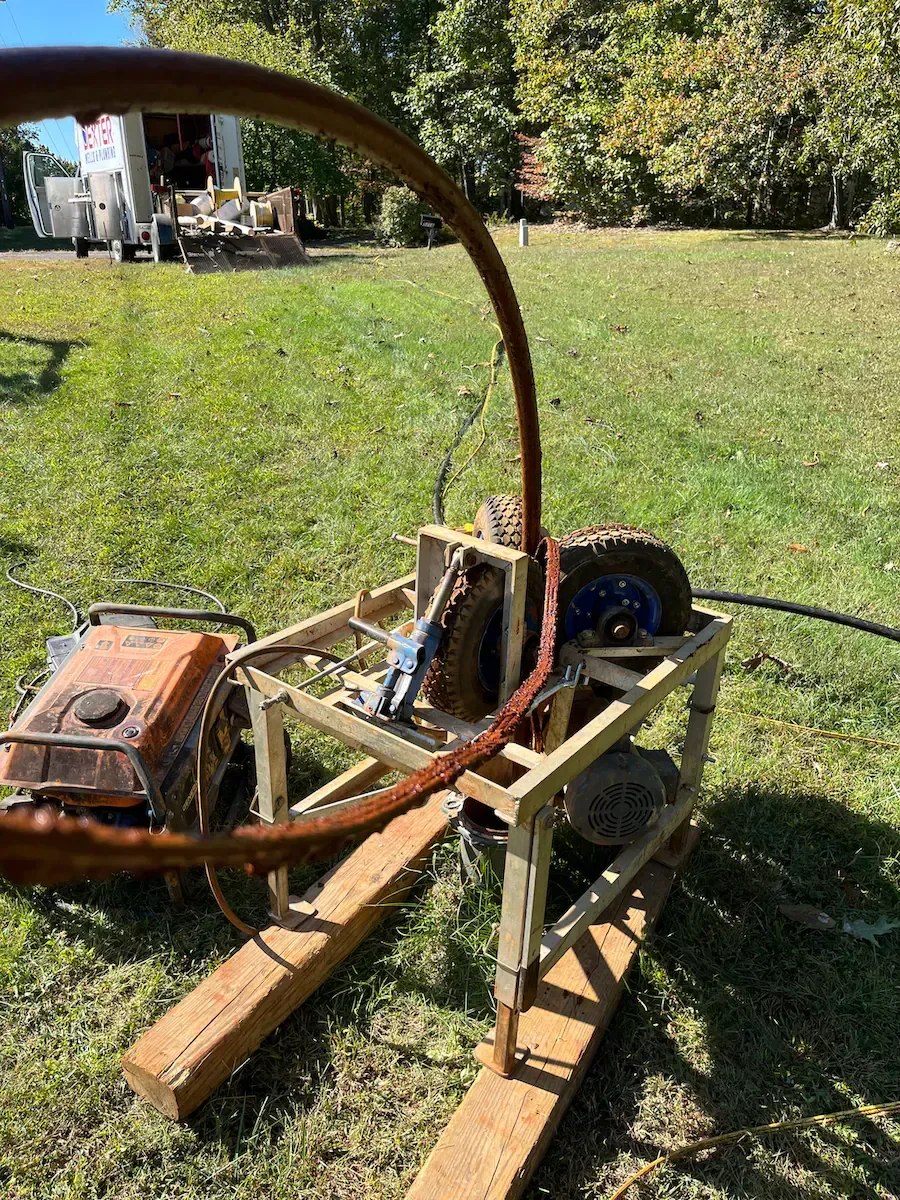
Most submersible well pumps last 8 to 15 years. Learn the seven warning signs a pump is failing and how to weigh repair against replacement before it quits.
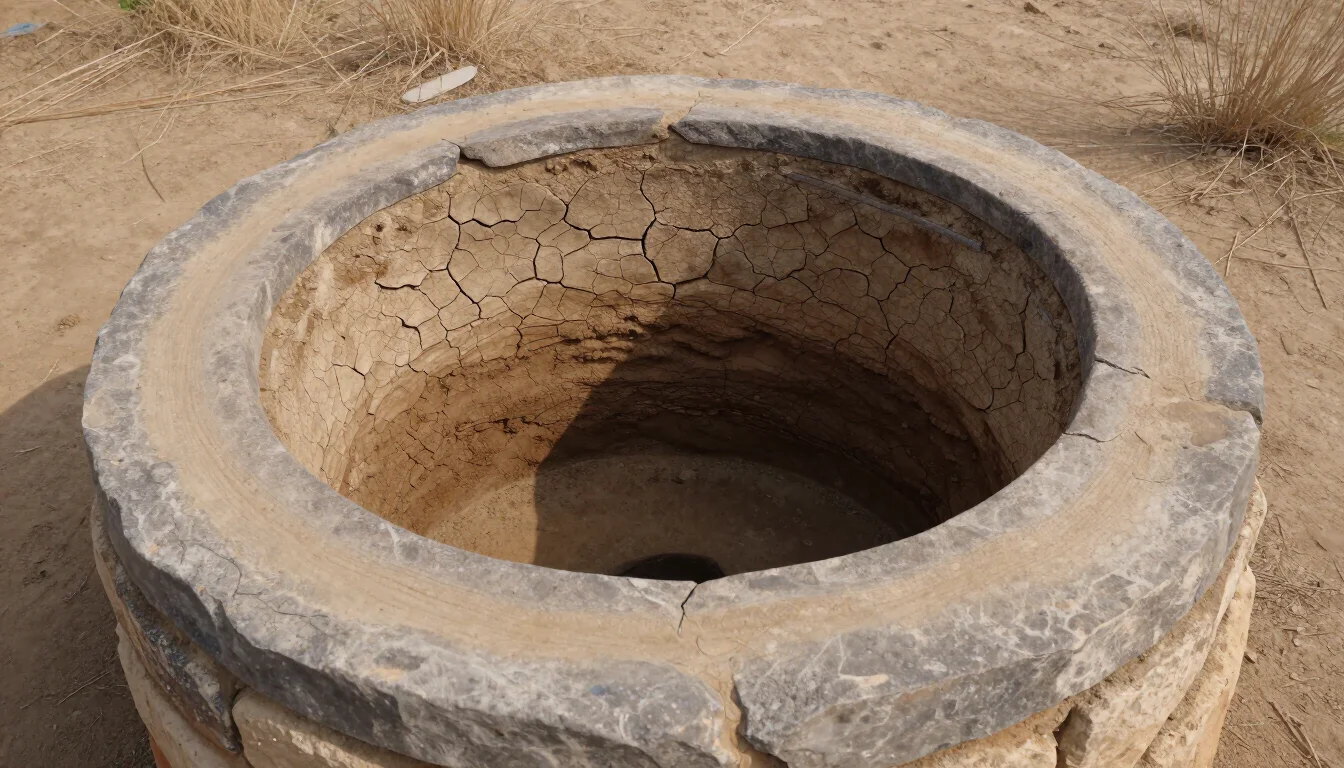
Sputtering faucets, muddy water and fading evening pressure can mean a well running low, or a pump, tank or casing problem. How to tell which one you have.
Same-day repairs whenever possible, and 24/7 emergency response when the water stops. Family-owned and local in Staunton and Culpeper.