Is Your Well Running Dry? Summer Warning Signs Virginia Homeowners Shouldn't Ignore
July in Virginia is hard on a well. The garden needs water every day, the kids are home, laundry never stops, and if you keep animals, they drink more in a week of 90-degree heat than they did all spring. Add a stretch without rain and a well that seemed fine in April can start acting strange by mid-summer.
The good news: most "my well is going dry" calls we take turn out to be something else. Before you start pricing a new well, read this. We'll walk through the real warning signs, what else causes the same symptoms, and what your options look like if the water table really is the problem.
The short answer
Sputtering faucets, muddy or sandy water, pressure that fades in the evening, and a pump that runs longer than it used to are the classic signs of a well running low. The same symptoms can also come from a failing pump, a waterlogged pressure tank, or a cracked casing. A proper diagnosis tells you which one you're dealing with, and only one of them means drilling.
The warning signs of a well running low
Faucets sputter and spit air. When the water level drops near the pump intake, the pump pulls in air along with water. You'll hear it cough and spit at the tap, especially after heavy use like back-to-back showers or a long irrigation run.
Water turns muddy, sandy, or gritty. A pump sitting near the bottom of a low well starts pulling sediment that normally stays put. If your water looks like weak tea or leaves grit in the tub, pay attention. This one has two possible causes, and we'll come back to it, because the fix is very different depending on which it is.
Pressure fades at certain times of day. A struggling well often recovers overnight, so mornings feel normal and evenings feel weak. If the pressure drops after the well has been working all day, the well may not be recharging as fast as you're drawing from it.
The pump runs longer, or won't shut off. Your pump has to work harder to move water when there's less of it. Longer run times, frequent cycling, and a pump that hums along without ever satisfying the pressure switch all point to a supply problem. They also burn out pumps fast, which is why you don't want to wait on this one.
Your neighbors are having trouble too. Wells in the same area draw from the same groundwater. If folks down the road are seeing the same symptoms during a dry spell, that's a strong clue the water table itself has dropped.
Hold on. It might not be the well at all.
Every symptom above has a look-alike cause, and this is where an honest diagnosis saves you real money.
A failing pump produces sputtering, weak pressure, and long run times on a well with plenty of water. A waterlogged pressure tank causes rapid cycling that feels exactly like a supply problem. A hidden leak between the well and the house drains pressure no matter how much water the well holds. All three are repairs we handle same-day, and all three cost a fraction of a new well.
Then there's muddy water. Sediment can mean a low well, but in this area it often means the casing has cracked or corroded and surface soil is washing in. That's not a supply problem at all. A well liner seals the damaged casing and restores clean water without drilling anything, as long as the well still produces. We draw that line honestly: a liner fixes a compromised well that still has water. Drilling is for a well that's actually tapped out.
No water, or water acting strange?
A real local technician will diagnose it in plain language, usually the same day.
If the well really is running dry, here are your options
Ease up and let it recover. Wells recharge. During a dry stretch, spacing out laundry, shortening irrigation, and staggering heavy use gives the well time to refill. This buys time, though it's a management strategy, not a fix.
Lower the pump. Sometimes the well has water below where the pump sits. If there's depth to work with, setting the pump deeper can restore reliable supply at a modest cost. A technician can measure your static water level and tell you whether this is on the table.
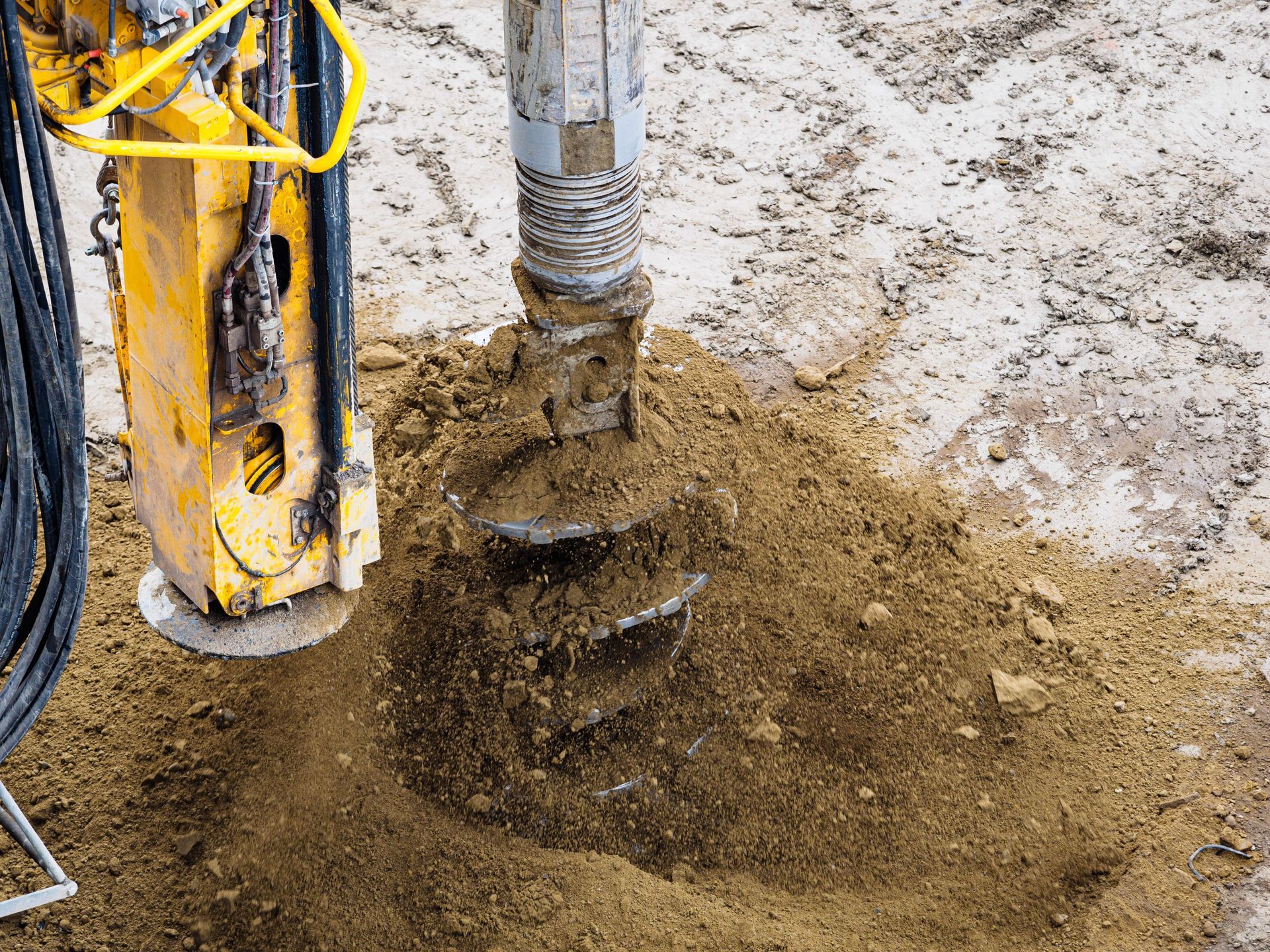
Drill a new, deeper well. Older wells in Augusta and Culpeper counties are often shallow by modern standards, which makes them the first to struggle in a drought. A new drilled well reaches deeper, more stable groundwater that doesn't swing with every dry month. If your well has genuinely reached the end, our well drilling service covers the whole process, from siting and permits through the pump and pressure system, and we'll tell you straight if you don't need it.
A word for farms and livestock owners
Our roots are in local farming, so we'll say this plainly: animals can't wait out a dry well. If your stock well is showing these signs in July, call before it quits. A diagnosis visit tells you how much margin you have, and if the answer is "not much," you can plan a fix on your schedule instead of during an emergency on the hottest week of August.
Frequently asked questions
Can a dry well come back?
Often, yes. Wells that run low during a drought usually recover when rain returns and the groundwater recharges. A well that keeps declining year after year, even in wet seasons, is a different story and worth a professional look.
How do I know if it's the well or the pump?
You mostly can't from the tap, because a low well and a dying pump produce the same symptoms. A technician checks the static water level in the well, the pump's performance, and the pressure tank, then tells you which part of the system is the problem.
Why does my water pressure drop in the evening?
A well that recharges slowly can keep up with morning use but fall behind after a full day of demand. Evening pressure drops during dry weather are one of the more reliable signs the well itself, not the equipment, is struggling.
Does muddy water mean my well is going dry?
Not necessarily. Muddy water can mean the pump is pulling sediment from a low well, or it can mean a cracked casing is letting soil wash in. The second problem is fixable with a well liner and has nothing to do with your water supply.
Should I stop using water if I think my well is running dry?
Cut back on heavy use, but don't run the pump on a nearly empty well while you wait. Pumps that run dry overheat and fail. If faucets are spitting air regularly, shut off irrigation, stagger household use, and get it looked at quickly.
How fast can someone come out?
We offer same-day emergency service across Staunton, Culpeper, Waynesboro, Verona, Fishersville, Churchville, and the surrounding counties. Wells are all we do, so diagnosis is fast and you get a straight answer.
Get a straight answer about your well
Licensed Virginia well contractors. Honest pricing, no surprises. Family-owned and local to Staunton and Culpeper.