Submersible vs. Jet Well Pumps: Which Is Right for Your Property?
If your well pump has failed, or you are planning a new well on a property in Culpeper or the Shenandoah Valley, one of the first questions is which kind of pump belongs on it. The two you will hear about most are submersible pumps and jet pumps, and they work in very different ways.
The short answer: for a drilled well of any real depth in Culpeper County or Augusta County, a submersible pump is usually the right choice. A jet pump makes sense mainly for shallow wells, where the water sits close to the surface, or for some older systems that were built around one.
That said, the right pump depends on your well, not on a general rule. The depth to water, the well's diameter, how much water your household or farm uses, and where the existing equipment sits all matter. This guide explains how each pump works, where each one fits, and what to ask before you replace one. Dexter Well Services installs and repairs pumps for homes and farms from Culpeper to Staunton, Waynesboro and Verona.
Quick Answer: Submersible vs. Jet Pump at a Glance
This comparison covers the differences most homeowners care about when choosing between the two pump types.
| Factor | Submersible pump | Jet pump |
|---|---|---|
| Where it sits | Down in the well, below the water | Above ground, in a pump house or basement |
| How it moves water | Pushes water up the pipe | Pulls water up by suction |
| Best suited to | Drilled wells, deep or moderate depth | Shallow wells with water near the surface |
| Noise | Quiet, since it runs underwater | Audible wherever it is housed |
| Freeze exposure | Low, the pump sits in groundwater | Higher, needs a heated space |
| Service access | Pulled from the well with equipment | Easy to reach above ground |
How a Submersible Well Pump Works
A submersible pump is a long, narrow pump and motor sealed together in one unit and lowered down inside the well casing, below the water level. It sits on the end of the drop pipe, with an electrical cable running up to the surface. When the pressure switch calls for water, the motor spins a series of impellers that push water up the pipe to the pressure tank and into the house.
Because a submersible pushes water rather than pulling it, depth is far less of a limit. That is the main reason it is the usual choice for deep drilled wells.
Advantages of a submersible pump:
- Works well in deep drilled wells where a jet pump cannot reach the water
- Runs quietly, since it is underwater and out of sight
- Has little freeze exposure, because the pump sits in groundwater
- Pushing water is generally more efficient than lifting it by suction
- Takes up no space in a basement or pump house
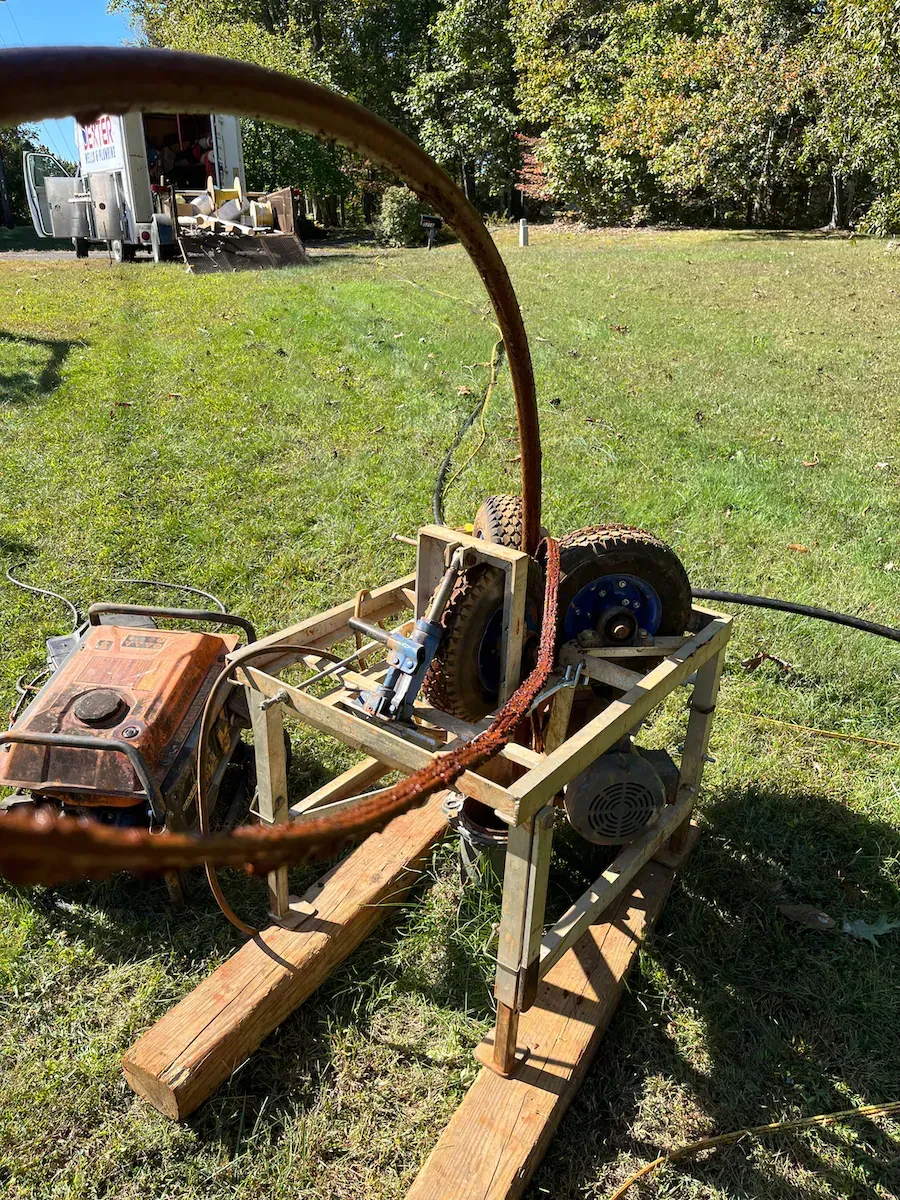
The trade-off is access. When a submersible needs repair or replacement, it has to be pulled up out of the well along with the pipe and wire. That takes proper equipment and experience, and it is not a weekend project. It is one of the reasons quality matters so much on a submersible: you want a pump built to stay down there for a long time. We install stainless steel and Grundfos pumps.
How a Jet Pump Works
A jet pump sits above ground, usually in a pump house, crawl space or basement, and draws water up from the well by suction. It uses an impeller to drive water through a narrow nozzle called a jet, which creates the low pressure that pulls more water up the suction pipe.
There are two common kinds:
- Shallow-well jet pumps have the jet built into the pump and lift water through a single pipe. Suction has a hard physical limit, so these only work where the water sits near the surface.
- Deep-well jet pumps place the jet down in the well and use two pipes, one to drive water down and one to bring it back. They can reach somewhat deeper than a shallow-well pump, but they still fall well short of what a submersible can do.
Advantages of a jet pump:
- Easy to reach for service, since the motor is above ground
- A practical match for shallow wells, cisterns and some springs
- Can be a straightforward replacement where the system was built around one
The drawbacks show up in the places a jet pump lives. It is louder, it takes up space, and because the whole pump sits in the air, it is exposed to cold. A jet pump in an unheated pump house is a classic winter freeze failure. It also has to stay primed, meaning full of water, to work. If it loses prime because of a leak in the suction line, it can run without moving water and damage itself.
Which Pump Fits Your Well?
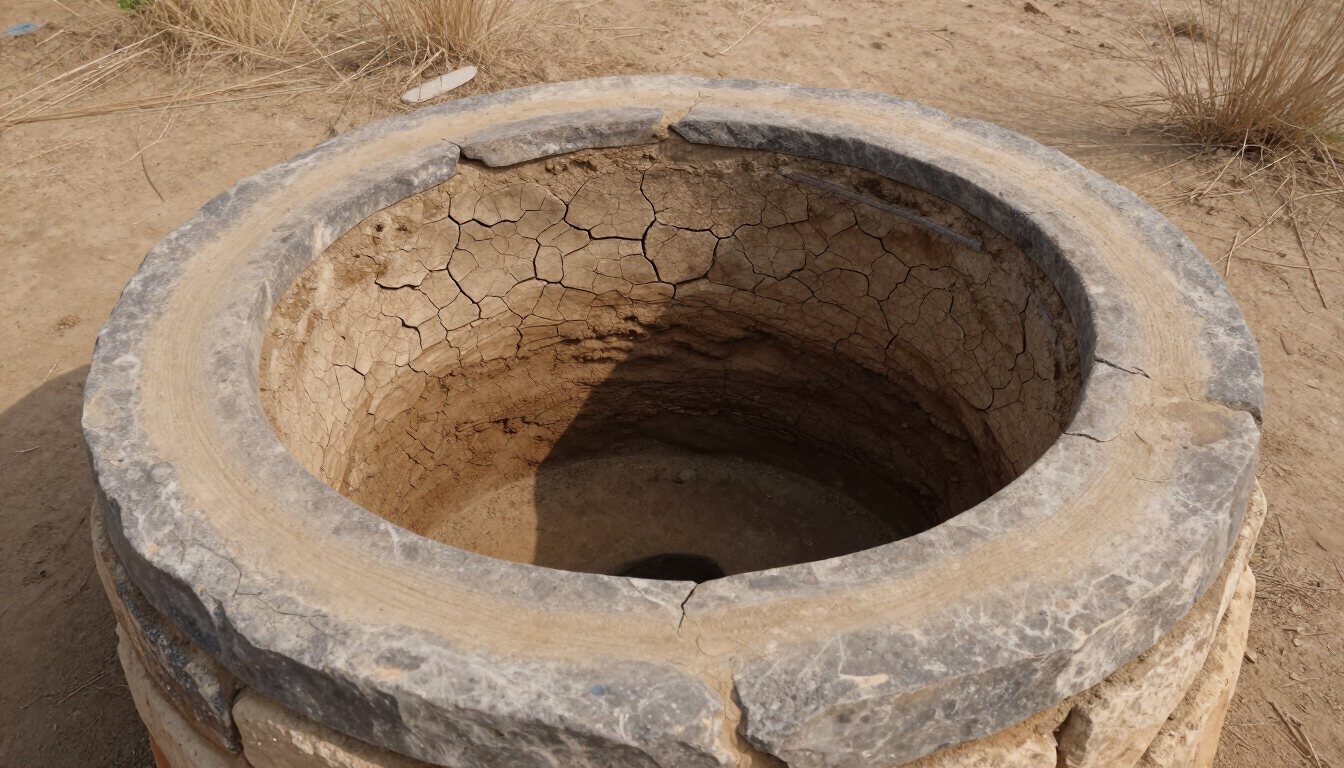
The single biggest factor is how far down the water sits in your well, not how deep the well was drilled. The two numbers are related but different, and the depth to water is what decides whether suction can reach it.
Questions that decide the right pump for your property:
- Is it a drilled well or a shallow dug or bored well? Drilled wells almost always call for a submersible. Shallow wells may suit a jet pump.
- Where is the water level? If it sits beyond what suction can lift, a jet pump is not an option.
- What is the well's diameter? A submersible has to fit inside the casing.
- How much water do you use? A household, a farm with livestock, and a property with irrigation all have different demands.
- What is there now? Replacing like for like is sometimes right, and sometimes an old jet pump is a sign the system was never sized properly.
On farms, demand matters as much as depth. A pump sized for a three-bedroom house may struggle to keep up with a household, a barn and troughs at the same time. Sizing the pump to the actual load is part of choosing the type.
If your problem is low pressure rather than a dead pump, the pump type may not be the issue at all. Our guide on low water pressure on a private well covers the other common causes, from pressure tanks to clogs and leaks.
Repair or Replace: Making the Call on an Older Pump
Many people asking about pump types are really asking a different question: my pump is acting up, should I repair it, replace it with the same thing, or switch to something else? An honest answer starts with finding out what is actually wrong.
Plenty of symptoms that look like a failing pump are caused by something else entirely:
- A waterlogged or failing pressure tank causing the pump to short cycle
- A worn or frozen pressure switch that will not start the pump
- A leak in the line between the well and the house
- A clogged filter or sediment build-up restricting flow
- An electrical fault in the wiring, control box or breaker
When the pump really is the problem, the decision comes down to its age, its condition, and whether it suits the well in the first place. A pump near the end of its life is usually better replaced than repaired. And if the existing pump was never a good fit, such as an aging jet pump struggling on a well where the water level has dropped, replacement is the moment to put in the right type. For more on age and warning signs, see our article on how long a well pump lasts.
Whichever type goes in, the pump works as part of a system with the pressure tank and pressure switch. A new pump paired with a worn tank or a failing switch can short cycle from the first day, so a good installer checks the tank and switch at the same time as the pump.
The Cost of Choosing the Wrong Pump
A pump is not a part you want to buy twice. Choosing the wrong type, or the wrong size, tends to show up as a string of smaller problems instead of one obvious failure.
What a mismatched pump can lead to:
- A jet pump straining on a water level near its suction limit, losing prime and running dry
- An oversized pump that short cycles and wears out early
- An undersized pump that cannot keep up when a household or farm needs water most
- Freeze damage to an above-ground pump that could have been avoided with a submersible
- Paying for a replacement that does not solve the original problem
We do not publish prices for pump work, because the right pump depends on your well and the cost depends on the job. What we will do is diagnose the real problem and explain your options plainly.
Why Culpeper and Staunton Homeowners Trust Dexter Well Services
Dexter Well Services is a family business with farming roots, serving private well owners in two markets: Culpeper and Culpeper County, and the Valley around Staunton, Waynesboro, Verona, Fishersville and Churchville. We are family owned, two generations.
What you get when you call us about a pump:
- Family owned, two generations. Farming roots.
- Licensed Virginia well contractors. Your pump work is done by licensed professionals.
- Stainless steel and Grundfos pumps. These are the pumps we install.
- Warrantied work. We stand behind the installations and repairs we do.
- Same-day emergency service. If your water stops, we work to get to you the same day.
- Honest diagnosis. Our technician, Cory, finds the real cause first, whether that is the pump, the tank, the switch or a leak.
Call for Well Pump Service in Culpeper or Staunton
If you are weighing a submersible against a jet pump, or your current pump is giving you trouble, call the office closest to you for well repair and pump service. If your water stops, we offer same-day emergency service.
Culpeper:
540.718.9267
Staunton:
540.820.0376
You can also learn more about our well pump installation and replacement services before you call.
Frequently Asked Questions About Submersible and Jet Pumps
Which well pump type is better for a deep well?
A submersible pump. It sits down in the well below the water and pushes water up, so depth is much less of a limit. A jet pump relies on suction from above ground, which has a hard physical limit, so it cannot reach water deep in a drilled well.
How do I know if I have a submersible or jet pump?
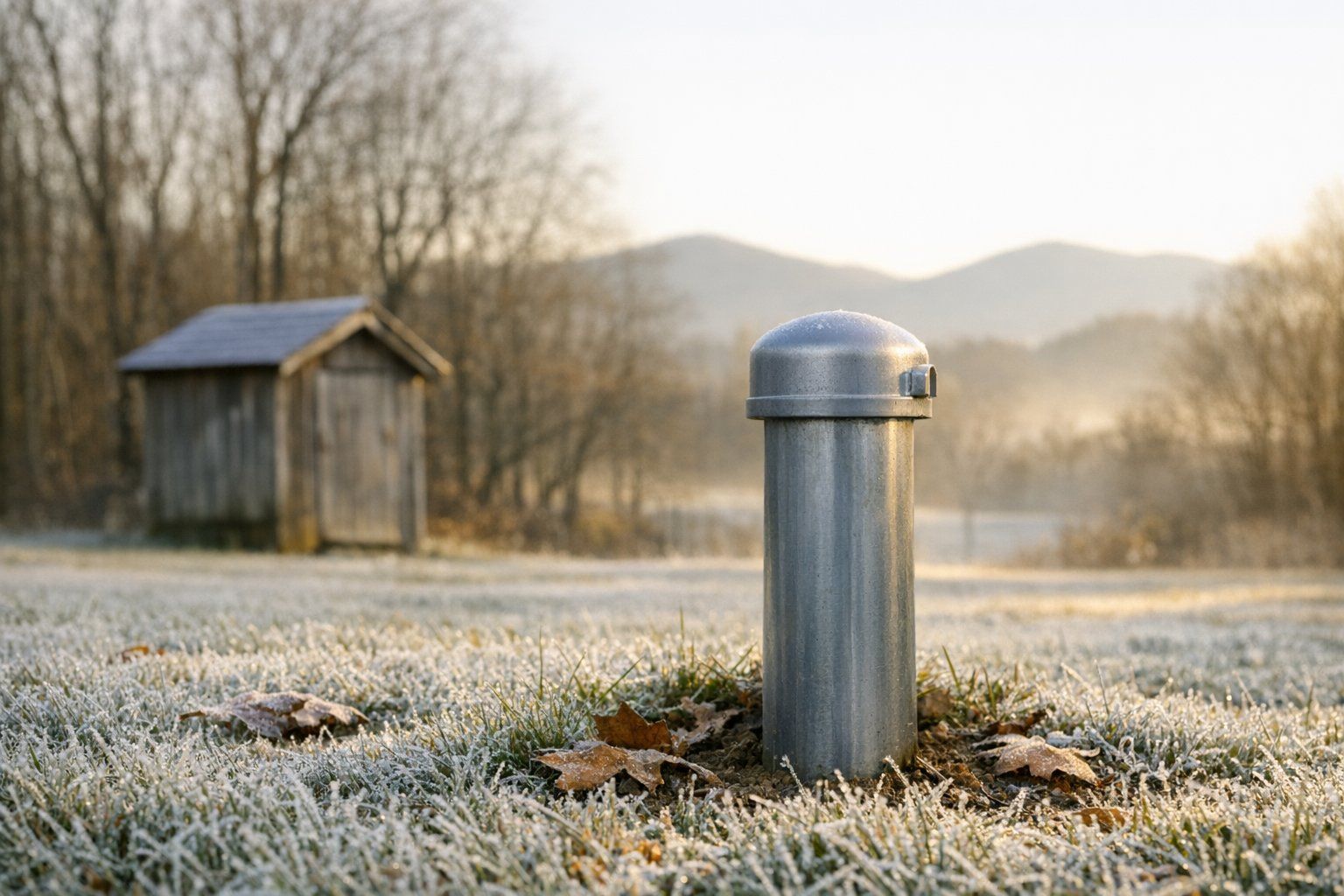
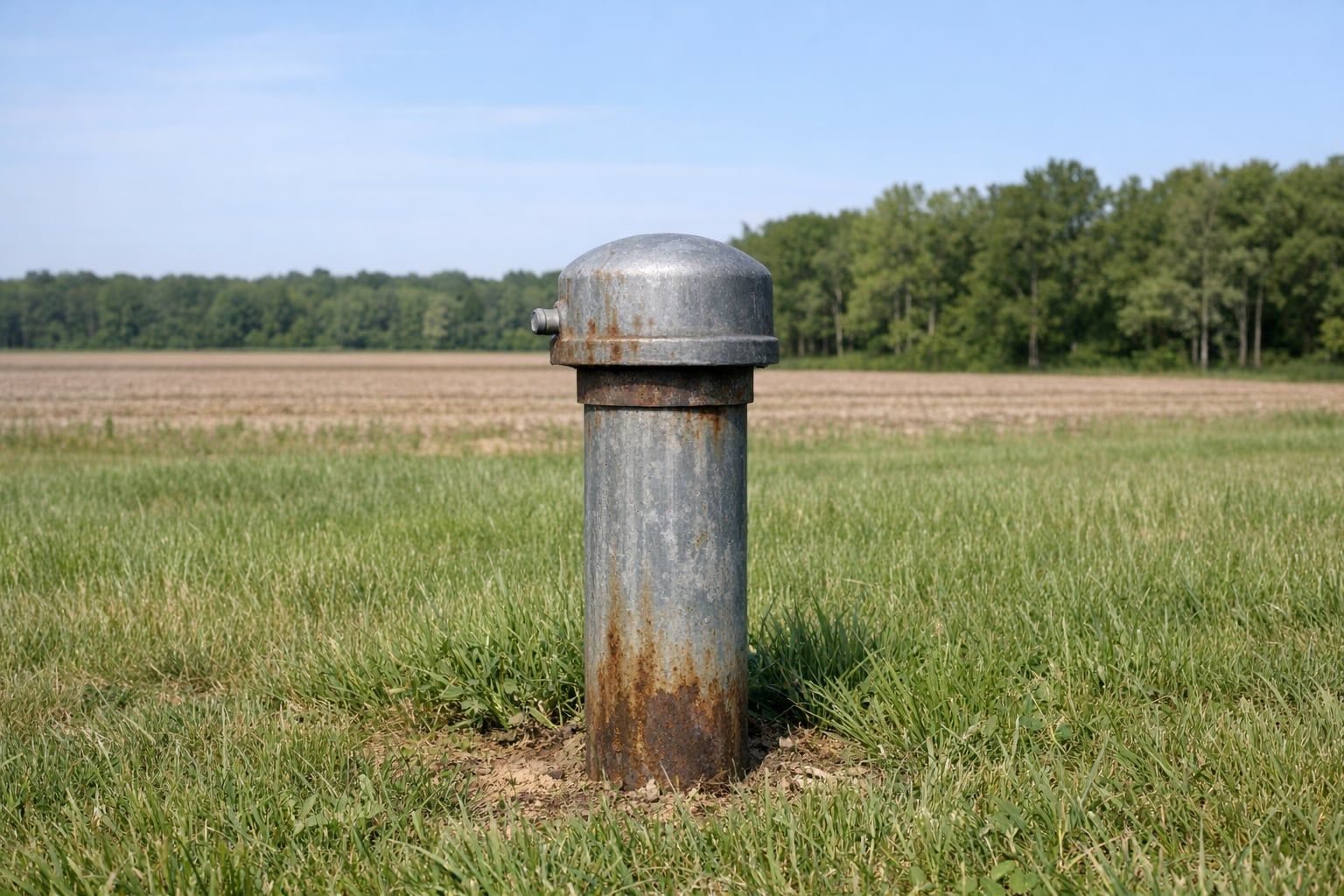
Look for the pump. If there is a pump with a motor in your basement, crawl space or pump house, connected to pipe running to the well, you likely have a jet pump. If you see only a pressure tank and switch, and the well cap has an electrical cable going into it, the pump is down in the well.
Can I replace a jet pump with a submersible pump?
Often, yes, as long as the well is suitable. The casing has to be wide enough for the submersible, and the plumbing and wiring need to be changed to suit it. It is a common upgrade on drilled wells that started with a jet pump. A good installer checks the well before recommending the switch.
Why does my jet pump keep losing prime?
Usually because air is getting into the suction side. A leak in the suction pipe, a worn foot valve or check valve, or a water level that has dropped near the pump's suction limit can all cause it. Running a pump that has lost prime can damage it, so shut it off and have it checked.
Are submersible pumps hard to repair?
They are harder to reach, not harder to fix. The pump has to be pulled up out of the well with the pipe and wire, which takes the right equipment and experience. That is a job for a licensed well contractor.
Do submersible pumps freeze in winter?
The pump itself rarely freezes, since it sits in groundwater below the frost line. The parts that can freeze are above ground: the pressure switch, pressure tank and any exposed pipe. A jet pump is more exposed because the whole pump sits in the air and needs a heated space.