Should You Repair Your Old Well or Drill a New One?
When a well stops delivering the way it used to, there are three possible answers, and they are answers to three different problems. A repair fixes a failed component. A liner fixes a compromised casing. A new well is for a well that has run out of water. Working out which one you have is the whole job, and it happens before anyone quotes you anything.
The mistake worth avoiding is treating these as a ladder from cheap to expensive, where the liner is the budget version of drilling. They are not. A liner will not help a well that has gone dry, and a new well is a waste of money on a well whose only problem is a cracked casing. Here is how the diagnosis actually works.
Repair, Liner or New Well at a Glance
| What you are seeing | Likely problem | Usual answer |
|---|---|---|
| No water at all, pump silent | Pump, pressure switch or electrical | Repair |
| Pressure dropping and surging | Pressure tank or pump wear | Repair |
| Muddy or silty water, worse after rain | Casing failure letting surface water in | Liner |
| Sand or grit in the fixtures | Screen or casing breach | Liner |
| Water for a while, then air | Drawing down faster than recovery | Depends on cause |
| Runs dry every summer, worsening yearly | Well is tapped out | New well |
| Water quality changed suddenly | Something has breached the well | Test first |
The middle rows are where most homeowners guess wrong, because losing pressure feels like the well is dying when the actual fault is usually a component that costs far less to put right.
When a Repair Is the Right Move
Most calls we take are repairs, and most of those are not the well at all. They are the equipment attached to it.
A submersible pump has a service life and eventually fails. A pressure tank loses its charge and the pump starts short cycling, which then wears the pump out early. A pressure switch sticks. Wiring corrodes at a splice. A check valve fails and lets the column of water fall back down the well between cycles.
All of those look alarming from the kitchen tap and all of them are ordinary equipment failures. The well itself is fine. If your symptom is about pressure or the pump behaving oddly rather than about the water itself, start there. Our guide on low water pressure on a private well walks through how to tell those apart, and the warning signs of a failing well pump covers the ones that give notice before they quit.
The important point is that a repair does not mean you have bought time on a dying well. On a sound well, a pump replacement is simply maintenance on a system that will keep working for decades.
When a Liner Solves It
A liner addresses a structural problem, not a water supply problem. The casing is the pipe that holds the borehole open and keeps everything above the water-bearing rock out of your well. When it corrodes through, cracks, or separates at a joint, the well starts taking in whatever is around it.
The symptoms follow from that. Muddy or cloudy water, particularly after heavy rain. Silt or fine sand in the aerators and the bottom of the toilet tank. Water quality that changes with the weather, which is the clearest sign of all, because a properly sealed well should not care what happened outside yesterday.
A liner is a new casing installed inside the existing borehole, sealed so the compromised section is isolated. The well keeps producing from the same water, it just stops taking in what it should not.
The reason this matters so much is that a well with a failed casing is not only a water quality problem, it is a contamination pathway. Surface runoff carries bacteria, and a well drawing that in will keep testing positive no matter how many times it is shocked with chlorine. If your water has changed, test it before assuming anything, and our guide on well water testing in Virginia covers what to ask for.
When Drilling a New Well Is the Honest Answer
A new well is the answer when the existing well cannot supply enough water, and no amount of work on the casing or the pump changes that.
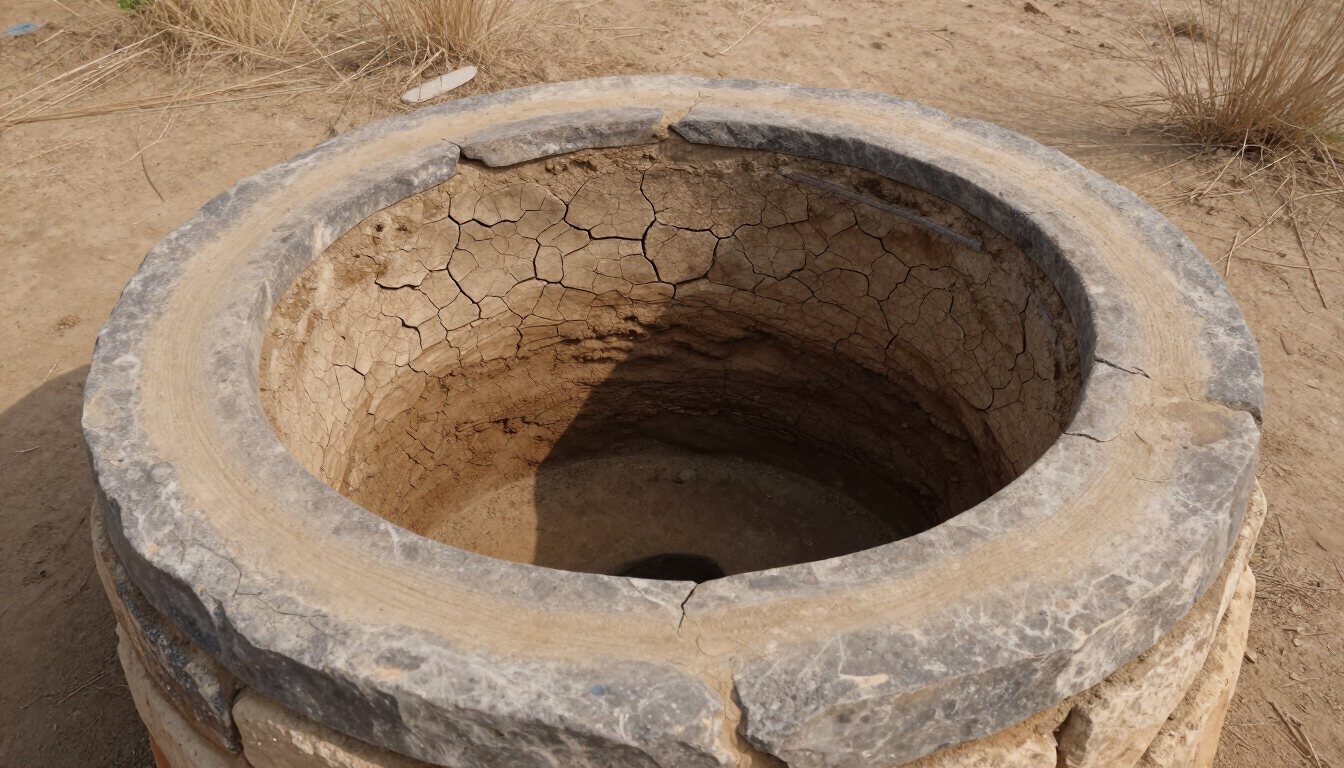
The pattern is recognizable. The well runs dry under normal household use, recovers slowly, and the problem gets worse year over year rather than staying steady. It may have started as an inconvenience in a dry August and become a regular event. Lowering the pump buys a little more drawdown and then stops helping, because there is simply not enough water entering the borehole.
Two other situations point the same way. A well that has partially collapsed, where the borehole itself has failed rather than the casing, generally cannot be rehabilitated economically. And some older wells were drilled shallow, before the property demanded what it demands now, and were never going to supply a modern household.
We will tell you when this is the case, and we will also tell you when it is not. A well that runs dry once during a hard drought year is not automatically a well that needs replacing.
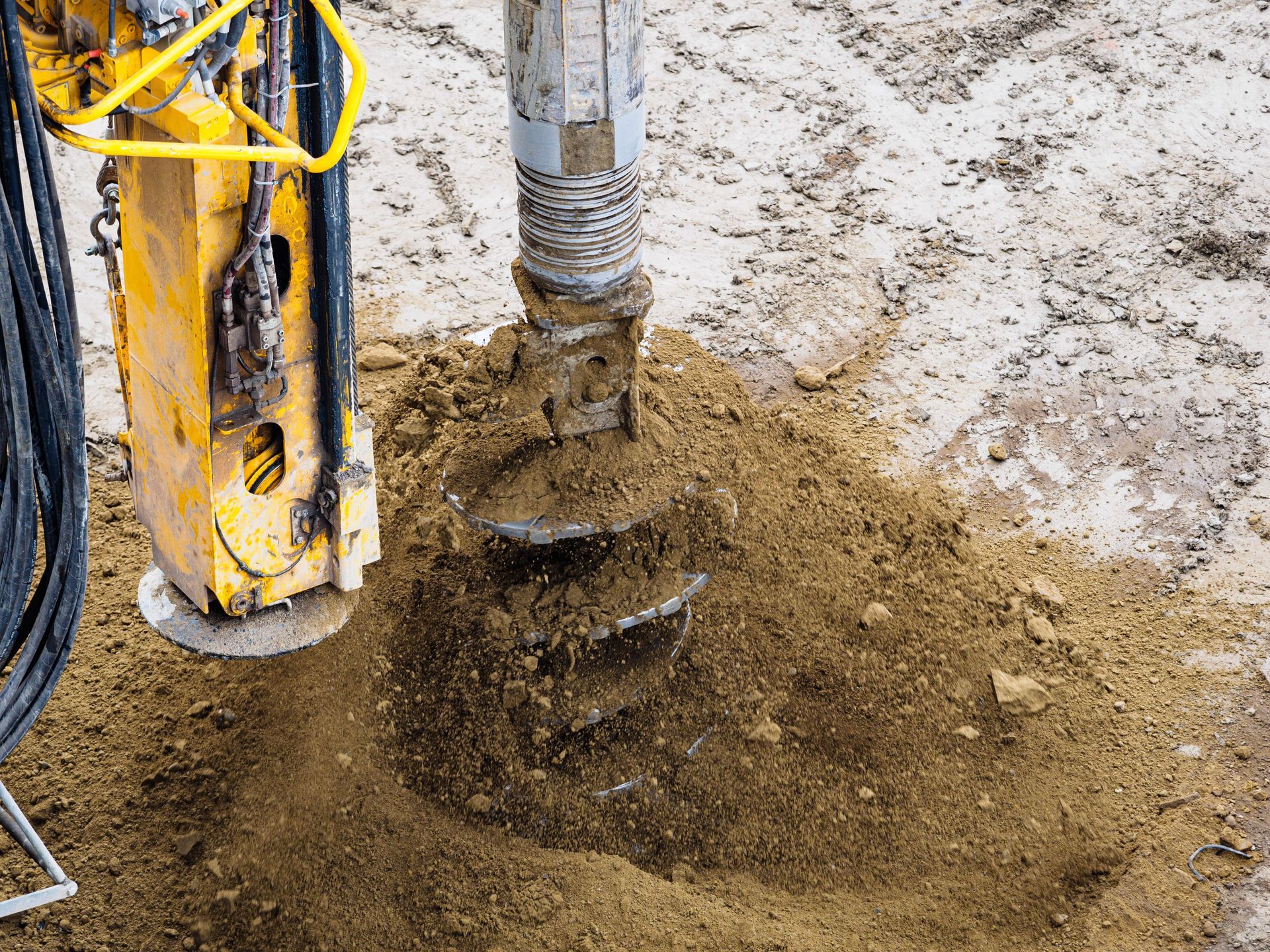
One part of drilling that homeowners rarely think about until it comes up is what happens to the old well. An abandoned well is a direct opening into the aquifer, and leaving one open lets surface contamination straight down past every natural filtering layer, into the same groundwater the new well draws from. Virginia treats proper abandonment as part of the job rather than an optional extra, and it means sealing the old borehole rather than capping it and forgetting it. If you are weighing the cost of a new well, that work belongs in the comparison, and any quote that does not mention it is not a complete quote.
The Question That Sorts It: Water or Structure?
If you take one thing from this page, take this.
Ask whether your problem is about how much water you are getting, or about what is in the water and what is getting into the well.
Quantity problems point toward the pump first and the aquifer last. If the pump is sound and the well still cannot keep up, you are looking at supply, and that is the conversation about drilling.
Quality and clarity problems point toward the casing. Mud, silt, sand and water that changes with the weather are structural symptoms, and a new well drilled next to a perfectly productive old one would be an expensive way to solve a casing problem.
Almost every well we look at sorts cleanly into one of those two buckets within the first few minutes on site.
What About the Cost Difference?
There is a real gap between these options, and it would be dishonest to pretend otherwise. A pump repair, a liner and a new well are three different sizes of job.
We do not publish figures for any of them, and you should be cautious of anyone who does. Well work is priced by what the site actually requires: depth, geology, access for the rig, what the casing turns out to look like once it is inspected. A number quoted before anyone has been to your property is a number that will change.
What we can tell you is how to think about the gap. The right question is not which option is cheapest, it is which option solves the problem you actually have. A liner installed on a well that is running dry is money spent on the wrong problem, and it will not feel like a saving six months later when the well still cannot keep up. The cheapest outcome across a few years is almost always the correct diagnosis, made once.
What an Honest Diagnosis Looks Like
You should expect a few specific things before anyone recommends a course of action.
- Someone comes and looks. A recommendation made over the phone from a description of symptoms is a guess.
- The pump and pressure system get ruled out first , because they are the most common cause and the least expensive to put right.
- The well gets measured , not estimated. Static level, drawdown under load and recovery rate are what separate a supply problem from an equipment problem.
- Water gets tested when the symptom is quality or clarity, so the decision rests on results rather than appearance.
- You are told what is wrong in plain language , including when the answer is that nothing much is.
If someone recommends drilling without measuring your existing well, ask what the recovery rate was. It is a fair question and the answer tells you a lot.
Why Valley and Culpeper Well Owners Call Dexter
We are a family firm, two generations in, with farming roots, and we work across Staunton, Waynesboro, Verona, Fishersville, Churchville and Augusta County, along with Culpeper and Culpeper County.
- Licensed Virginia well contractors. Well construction is regulated for good reason, and the paperwork matters as much as the drilling.
- Honest diagnosis over the bigger sale. If your problem is a pressure tank, we will tell you it is a pressure tank.
- Cory handles service work , so you are dealing with a technician rather than a salesperson.
- Stainless steel and Grundfos pumps , chosen for service life rather than the lowest quote.
- Warrantied work. We stand behind what we install.
- Same-day emergency service , because a house with no water is not a scheduling problem.
Get Your Well Diagnosed Before You Choose
If your well is doing something new, the useful next step is a diagnosis rather than a decision. Tell us what changed, when it started, and whether it is about pressure or about the water itself, and that alone usually narrows it.
Call us in Staunton at 540.820.0376 or in Culpeper at 540.718.9267. If you are out of water right now, say so when you call and we will treat it as an emergency.
Frequently Asked Questions
Should I repair my old well or drill a new one?
It depends on whether the problem is supply or structure. If the well still produces enough water and the fault is the pump, pressure tank or casing, repair or line it. Drilling is the answer when the well genuinely cannot supply the household any more.
What is a well liner and what does it fix?
A liner is a new casing installed inside the existing borehole and sealed so the damaged section is isolated. It fixes muddy or silty water, sand in the fixtures, and surface water getting into the well. It does not add water to a well that has run dry.
Why is my well water muddy after it rains?
That is a classic sign of a compromised casing letting surface water into the well. A properly sealed well should not change with the weather. It is a structural problem rather than a supply problem, and it is also a contamination pathway worth testing for.
How do I know if my well is running dry?
The pattern is water for a while and then air, slow recovery, and a problem that worsens year over year rather than staying steady. A single dry spell in a drought year is not the same thing. Measuring drawdown and recovery settles it.
How much does it cost to repair a well versus drill a new one?
We do not publish figures, because well work is priced by what the site requires: depth, geology, rig access and the actual condition of the casing. Any number quoted before someone has visited your property will change once they do.
Can a liner fix a well that keeps running out of water?
No. A liner addresses the structure of the well, not how much water enters it. Installing one on a well with a supply problem spends money on the wrong fault. That is why the diagnosis has to come before the recommendation.
Do you offer emergency service if we have no water?
Yes, we offer same-day emergency service. If a house is completely without water, say so when you call and we will treat it accordingly rather than putting it in the normal schedule.