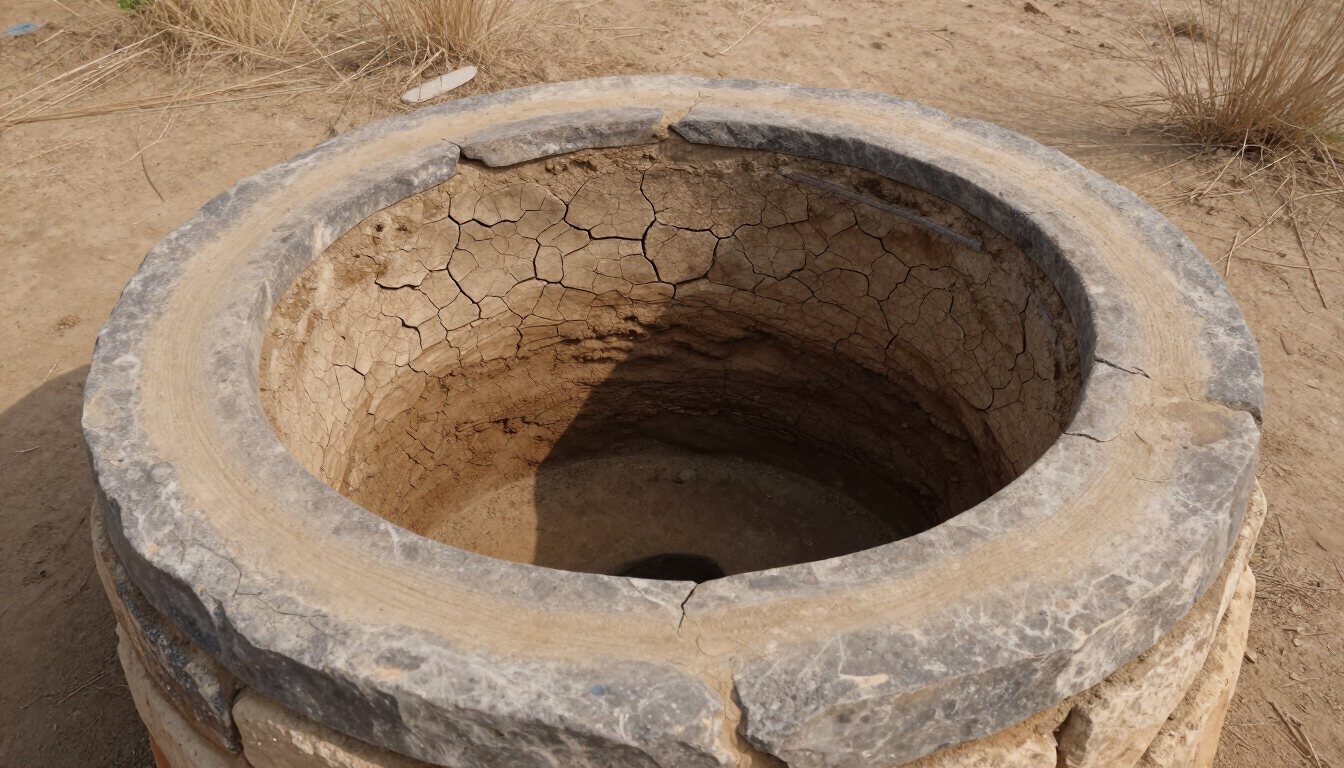
How to Winterize Your Well System Before the First Freeze
If your home or farm runs on a private well in Augusta County or Culpeper County, the first hard freeze of the year is a real test of the system. A well that works perfectly in September can leave you with no water on a January morning because one exposed pipe, one unheated pump house or one failed pressure switch gave out in the cold.
The short answer: to winterize a well system, insulate and heat anything above ground (the pump house, the pressure tank, the exposed pipe), seal the wellhead with a sound, vented cap, protect or drain any outdoor lines you will not use, and have the pump and pressure tank checked before the cold arrives rather than after something fails.
The details depend on your setup. A submersible pump deep in a drilled well is far less exposed than a jet pump sitting in a shed, and a barn hydrant on a farm in Churchville has different needs than a house in town. This guide walks through each part of the system and what to do with it. Dexter Well Services works on wells on both sides of the mountain, from Staunton and Waynesboro to Culpeper.
Quick Answer: Your Fall Well Winterization Checklist
Use this table as a one-page checklist. Each row is a part of the system, what can go wrong in a freeze, and what to do about it before cold weather sets in.
| Part of the system | What a freeze can do | What to do before winter |
|---|---|---|
| Wellhead and cap | Cold air and pests enter a cracked or loose cap | Confirm a tight, vented, undamaged cap |
| Pump house or well pit | Pipes, tank and switch freeze solid | Insulate, seal drafts, add a safe heat source |
| Exposed pipe | Splits or bursts, often out of sight | Insulate and add heat tape where needed |
| Pressure tank and switch | Frozen switch stops the pump from starting | Keep it in a heated space, test cut-in and cut-out |
| Jet pump | Pump casing cracks if water freezes inside | Heat the space or drain it if it will sit idle |
| Outdoor lines and hydrants | Standing water freezes and splits the line | Drain unused lines, check frost-free hydrants |
Why Wells Freeze in the Shenandoah Valley and Culpeper
Most people assume the water deep in a drilled well is safe from the cold, and for the most part it is. The groundwater itself rarely freezes. The trouble starts where the water comes up into the cold: at the wellhead, in the line from the well to the house, and in any equipment that sits above the frost line.
Both markets we serve have older properties around Staunton, Verona, Fishersville and Culpeper County with pump sheds and outbuildings built for convenience rather than insulation.
Common freeze points on private wells:
- A pressure tank and switch in an uninsulated shed, crawl space or detached garage
- A jet pump housed above ground, with water sitting in its casing
- A water line that comes up out of the ground and runs exposed before entering the house
- A well pit that has settled, cracked or lost its lid insulation over the years
- Barn and pasture hydrants on farms that are not draining back properly
- A cracked or loose well cap that lets cold air move down the casing
Step One: Inspect and Protect the Wellhead
The wellhead is the part of the well you can see above ground: the steel or PVC casing and the cap on top. It is the front door of your water supply, and in winter it is the first thing to check.
A sound well cap is sealed against insects and small animals but vented so the well can breathe. When a cap is cracked, loose or missing its gasket, cold air moves down the casing, and so do surface water and debris when snow melts. That is a water quality problem as much as a freezing problem.
What to look at on the wellhead this fall:
- The cap sits tight, with no cracks, gaps or missing bolts
- The vent screen is intact so nothing can crawl in
- The casing stands above the ground, not buried at grade or below it
- Soil around the casing slopes away so meltwater drains off rather than pooling
- Electrical conduit into the cap is secure and undamaged
Do not wrap the wellhead in plastic or pile mulch, hay bales or leaves against it to keep it warm. That traps moisture, hides damage and can draw pests to the cap. If the casing itself is cracked, sits below grade, or you have noticed muddy or cloudy water after heavy rain, that is a sign the casing may be compromised. That is a repair question, not a winterizing one, and it is worth having the well looked at before winter rather than after.
Step Two: Heat and Insulate the Pump House, Pit and Pressure Tank
For many homes in Waynesboro, Verona and the surrounding county, the most vulnerable part of the system is not the well at all. It is the small structure that houses the pressure tank, the pressure switch and sometimes the pump.
The pressure switch is a good example of why this matters. It is a small part with a thin sensing tube, and if that tube freezes, the switch never tells the pump to start. The house loses water even though the pump and well are fine.
How to protect a pump house or well pit:
- Seal gaps around doors, vents and where pipes pass through the walls
- Insulate the walls and ceiling, and the lid of a well pit
- Add a heat source rated for the space, such as a thermostatically controlled heater or a heat lamp fixture designed for the purpose
- Keep anything flammable, including insulation, hay and stored fuel, clear of the heat source
- Put a thermometer inside and check it on the first cold night
Be careful here. A heat lamp too close to dry material is a fire risk. If you are not sure the wiring in an old pump shed can carry a heater safely, have it checked.
Step Three: Insulate Exposed Pipe and Drain Lines You Will Not Use
Water lines are where a freeze does its most expensive damage, because a split pipe can leak for days before anyone notices. A line buried properly below the frost line is protected. Trouble usually shows up where the line rises out of the ground, passes through an unheated space, or was run shallow decades ago.
What to do with your lines:
- Fit foam pipe insulation on every exposed run, with the seams taped
- Use heat tape rated for the pipe material on runs that see hard cold, and follow the maker's instructions exactly
- Disconnect garden hoses and drain outdoor spigots
- Shut off and drain lines to seasonal buildings, garden beds or pools you will not use until spring
- On farms, check that frost-free hydrants drain back after each use, and replace any that stay wet
Farm properties around Churchville and rural Culpeper County carry extra exposure because livestock still need water every day of winter. Long runs to barns and troughs are worth walking before the cold, looking for soft ground, wet spots or a line that was patched at the surface. A slow leak you can find in October is a much easier fix than a burst line in a frozen pasture.
Step Four: Service the Pump Before the Cold, Not After
A pump that is struggling in October will not get better in January. Cold weather adds load to a well system, and a pump that has been running longer cycles or short cycling all summer is the one most likely to quit during a cold snap, when parts and access are both harder to come by.
Signs your pump or tank should be checked before winter:
- The pump turns on and off rapidly, which often points to a pressure tank problem
- Water pressure has been weaker or more uneven than usual
- You hear the pump running when no taps are open
- Your electric bill has crept up without another explanation
- Air spurts or sputters out of the faucets
- The pump is old enough that you cannot remember when it went in
If you have a jet pump in a shed or basement, it needs more attention than a submersible because the whole pump sits in the cold. A jet pump that will sit idle in an unheated building, such as at a seasonal cabin, should be drained according to its manufacturer's instructions.
For a closer look at pump age and the warning signs, see our guide on how long a well pump lasts and the signs it is failing. When a pump does need replacing, we install stainless steel and Grundfos pumps, and it is far easier to schedule that work in the fall than in the middle of a freeze.
What Skipping Winter Prep Can Cost You
The honest case for winterizing is not about a big upsell. It is about the difference between a planned fall service call and an emergency one with no water in the house.
When a well system freezes, the problem rarely stops at the frozen part. A frozen pressure switch leaves the house dry. A split pipe in a crawl space can soak insulation and framing before anyone sees it. A cracked jet pump casing means a replacement pump, not a thaw. On a farm, a frozen line means hauling water to animals by hand until it is fixed.
A few points worth weighing before you decide to skip it:
- Insulation, a safe heat source and a fall inspection are modest compared with a burst line or a replacement pump
- Repairs in hard cold take longer because frozen ground and ice make access harder
- Homeowners insurance treats sudden damage and slow neglect differently, so check your own policy on frozen pipes
We will not quote prices for work we have not seen, because every well and every pump house is different.
Why Homeowners in Augusta and Culpeper Counties Call Dexter Well Services
Dexter Well Services is a family business with farming roots, and we understand what a well means to a household or a farm in winter. When the water stops, everything stops. We work on private wells across two markets: the Valley around Staunton, Waynesboro, Verona, Fishersville and Churchville, and Culpeper and Culpeper County.
What you can count on when you call us:
- Family owned, two generations. A family business with roots in local farming.
- Licensed Virginia well contractors. Your well work is done by licensed professionals who know Virginia wells.
- Same-day emergency service. If your water stops in a cold snap, we work to get to you the same day.
- Quality equipment. We install stainless steel and Grundfos pumps.
- Warrantied work. We stand behind the work we do.
- Honest diagnosis. Our technician, Cory, will tell you what is actually wrong, whether that is a frozen switch, a failing pressure tank, a leak or the pump itself, and fix the real problem.
Call for Well Repair and Pump Service in Staunton or Culpeper
If your pump, pressure tank or water lines are showing any of the warning signs above, call the office closest to you for well repair and pump service. If your water has already stopped in the cold, we offer same-day emergency service.
Culpeper:
540.718.9267
Staunton:
540.820.0376
You can also send a request through our well pump installation and repair services page or our contact form, and we will get back to you.
Frequently Asked Questions About Winterizing a Well
How do I protect my well pump in winter?
Keep any above-ground equipment warm and dry. Insulate and heat the pump house or well pit, protect the pressure tank and switch, and insulate exposed pipe. A submersible pump deep in a drilled well is rarely at risk itself, but a jet pump above ground needs a heated space or should be drained if it will sit unused.
Does a deep well freeze in winter?
The water deep in a drilled well almost never freezes. What freezes is the equipment and pipe near the surface: the wellhead, the line where it comes out of the ground, the pressure switch and tank, and any pump housed above ground. Protecting those parts is what winterizing a well actually means.
Should I put a heat lamp in my well house?
A heat source can work, but safety comes first. Use a fixture or heater designed for the space, ideally with a thermostat, keep it well away from insulation, hay and anything flammable, and make sure the circuit can carry it. If the wiring in an older shed is questionable, have it checked before winter.
What do I do if my well freezes and I have no water?
Shut off power to the pump so it does not run dry, then look for the frozen spot, often the pressure switch or an exposed line. Never use an open flame on pipes. If you cannot find it, see a split line, or the pump will not restart, call us for same-day emergency service.
Can I wrap my well cap to keep it warm?
No. Wrapping the cap in plastic or piling mulch, leaves or hay around the casing traps moisture, hides damage and can attract pests. A good well cap is sealed against insects and debris but vented so the well can breathe. If your cap is cracked or loose, replace it rather than covering it.
When should I winterize my well system?
Do it in the fall, before the first hard freeze, while the ground is still workable and repairs are easy to schedule. That gives you time to replace a worn pressure switch, fix a leaking line or service a struggling pump on your schedule instead of in the middle of a cold snap.
Does a farm well need extra winter protection?
Usually, yes. Farms often have long lines to barns, pasture hydrants and troughs that see more exposure than a house line. Walk those runs in the fall, confirm frost-free hydrants drain back properly, insulate exposed sections and fix small leaks while the ground is soft, since livestock need water every day of winter.